
Gender Justice Cannot Survive in a World Organized Around War, Debt, and Extraction
Over the past month, MenaFem opened a collective conversation on what justice means in a region shaped not only by legal gaps, but by occupation, militarization, debt dependency, ecological destruction, and shrinking civic space. What emerged from this campaign is clear: gender justice cannot be achieved within the current global order as it stands today.
Throughout March, we asked a simple question: what does justice mean in a region shaped by occupation, militarization, debt dependency, austerity, ecological collapse, and shrinking civic space? Justice is not access to courts alone. Justice is about who controls land, resources, public budgets, and the future.
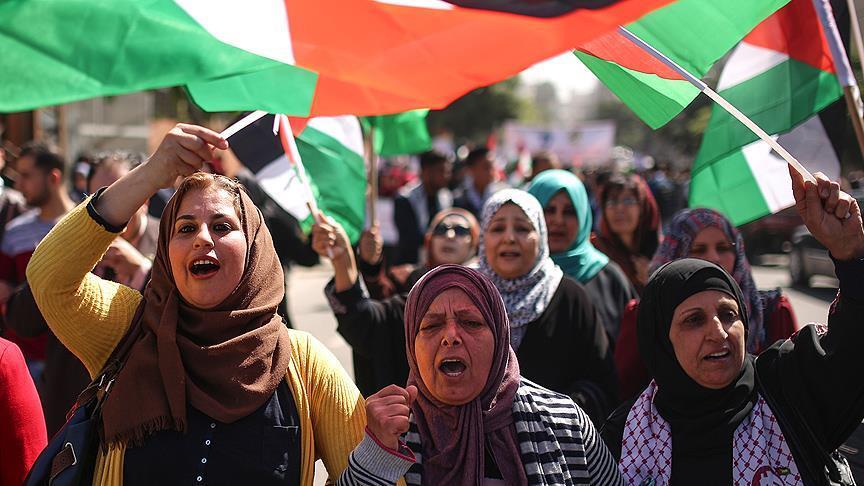
Across the region, wars continue to destroy the infrastructure of life. In Palestine, Sudan, Lebanon, and across escalating regional tensions, women are not only victims of violence. They are sustaining communities as states retreat, services collapse, and economies shrink under debt and military spending. At the same time, austerity programs imposed through international financial institutions continue shifting the cost of crisis into households—onto women’s unpaid labor.
Last week’s outcome at the Commission on the Status of Women repeated the same narrow framing of justice as legal inclusion and institutional reform. More troublingly, negotiations also reopened debate over the meaning of “gender” itself, with attempts by some states to restrict the term and weaken decades of feminist gains within the UN system. When even the language of gender becomes contested, it signals not progress, but backlash.
A resolution that speaks about justice while remaining silent on war, extractive finance, debt regimes, and structural inequality risks turning justice into a technical exercise rather than a political transformation.
From a feminist perspective in the MENA region, justice is inseparable from sovereignty: sovereignty over bodies, land, energy systems, economic priorities, and the right of communities to survive outside externally imposed crisis management frameworks.
Justice also means confronting the global financial architecture that locks countries into repayment before protection, austerity before care, and stability before dignity.
This campaign was never only about critique. It was about reclaiming the meaning of justice itself.
Justice is redistribution.
Justice is demilitarization.
Justice is debt restructuring.
Justice is climate accountability.
Justice is recognizing women not as beneficiaries of policy, but as political actors shaping alternative futures.
If international institutions continue defining justice without addressing the structures that produce injustice, feminist movements will continue redefining it from the ground up.
Because gender justice is not a slogan. It is a struggle over power—and we are not stepping back from it.