

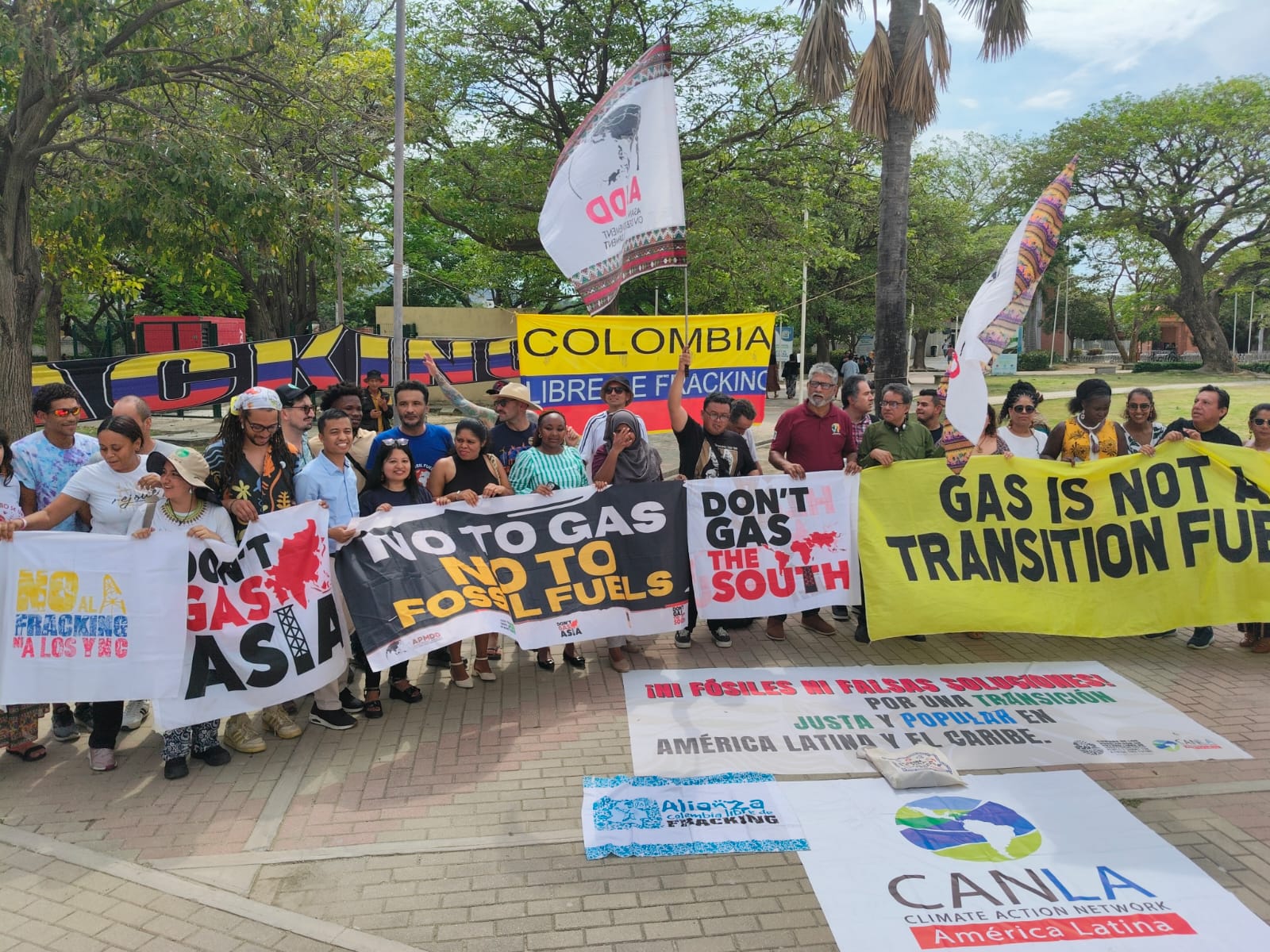
Santa Marta and the Politics of Delaying the End of Fossil Fuels
Santa Marta was supposed to be the moment governments began coordinating how to end fossil fuel extraction. Instead, it became a space where ambition was softened, responsibility postponed, and political leadership quietly redirected back to the Global North.
This is especially striking given that the Fossil Fuel Treaty movement invested months of organizing and thousands of dollars to help make this conference possible—yet its role was barely acknowledged in the official outcomes and the possibility of having a treaty was early killed. Movements opened the door. Governments walked through it and then pretended they arrived alone.
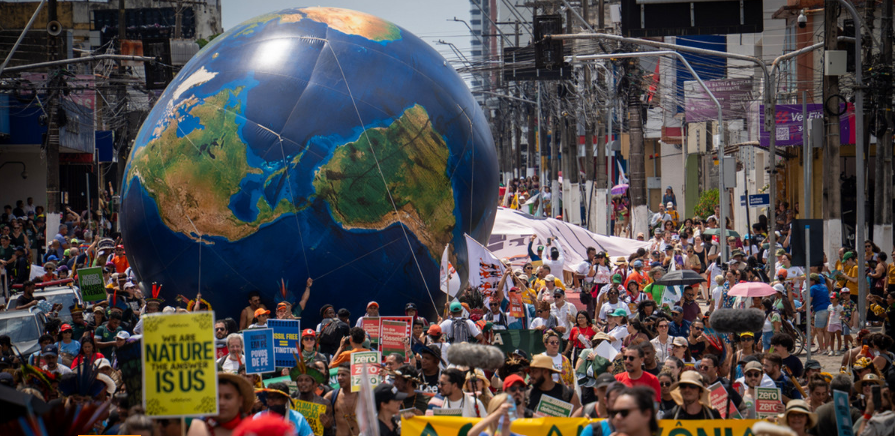
Inside the rooms, the gap between what civil society brought and what governments delivered was impossible to ignore. While feminist movements, Global South actors, and frontline communities came with concrete proposals on ending expansion, addressing debt dependency, and financing just transitions, governments circulated weak AI-generated texts that diluted rather than strengthened the process.
From the beginning, there was a clear direction shaping the conference: keep the conversation safe, technical, and manageable. Instead of becoming a Global South political platform to coordinate fossil fuel phase-out, the process remained heavily influenced by the Netherlands and European priorities. What could have been a turning point became a carefully controlled dialogue space.
The exclusion was not accidental. Regions living through occupation, sanctions, war, and energy extraction conflicts—especially across SWANA—were largely absent from shaping the direction of the outcomes. A transition process that ignores energy wars cannot produce energy justice.
And despite these imbalances being visible throughout the week, the same structure is already being reproduced. Next year’s conference will again be co-hosted by a Global North–Global South pair: Ireland and Tuvalu. It is difficult to understand why this hierarchy continues to be presented as balance rather than control.
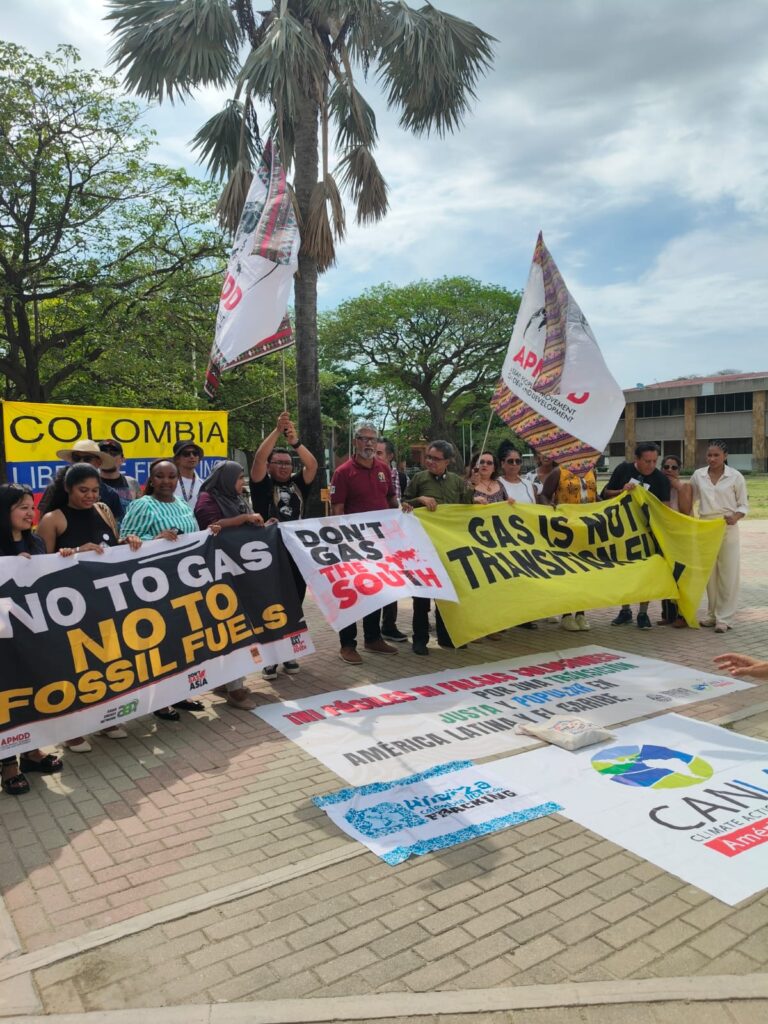
Santa Marta showed clearly that governments are still willing to talk about transitioning away from fossil fuels—but not yet willing to organize how to stop producing them.
If this process is serious about credibility, the next phase must move beyond coordination spaces and into political commitments: ending exploration, closing extraction timelines, shifting international finance, and protecting policy space for indebted countries trying to exit fossil fuel dependence.
Otherwise, Santa Marta risks becoming remembered not as the beginning of the end of fossil fuels—but as another moment where the transition was delayed while the language of transition expanded.