

Statement of Solidarity: Raising the Alarm 🚨
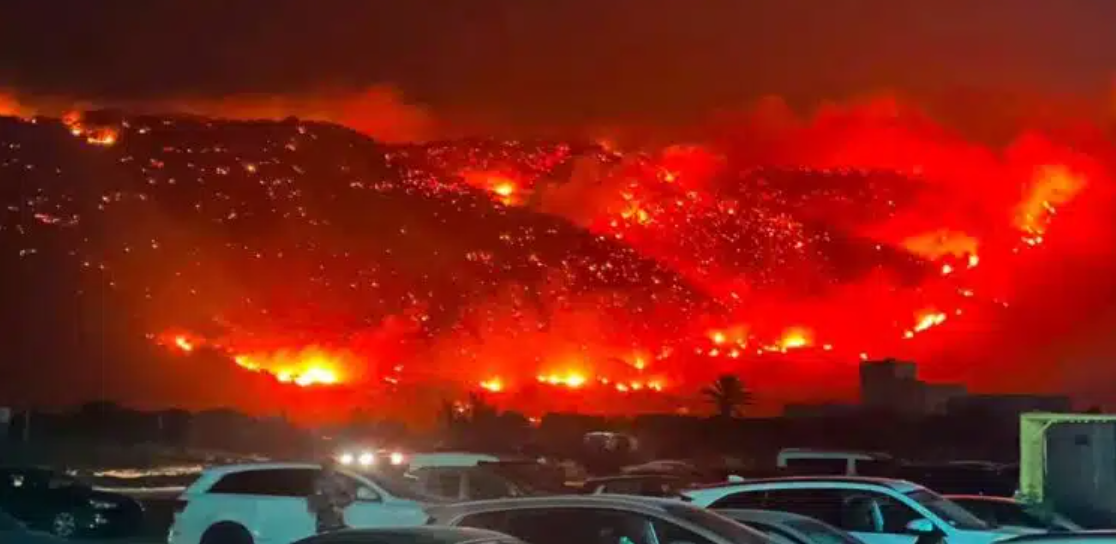
MENAFem Movement is following with deep concern the wildfires that have been ravaging the forests of Algeria and Tunisia since mid-July. We express our full solidarity with the affected communities, as well as with the civil protection teams, forest service personnel, and volunteers who continue, day after day, to confront this disaster in defense of lives, forests, and livelihoods.
In Algeria, the fires have spread across numerous provinces in the country’s eastern, central, and western regions, prompting the large-scale deployment of firefighting aircraft and helicopters amid an unprecedented heatwave.
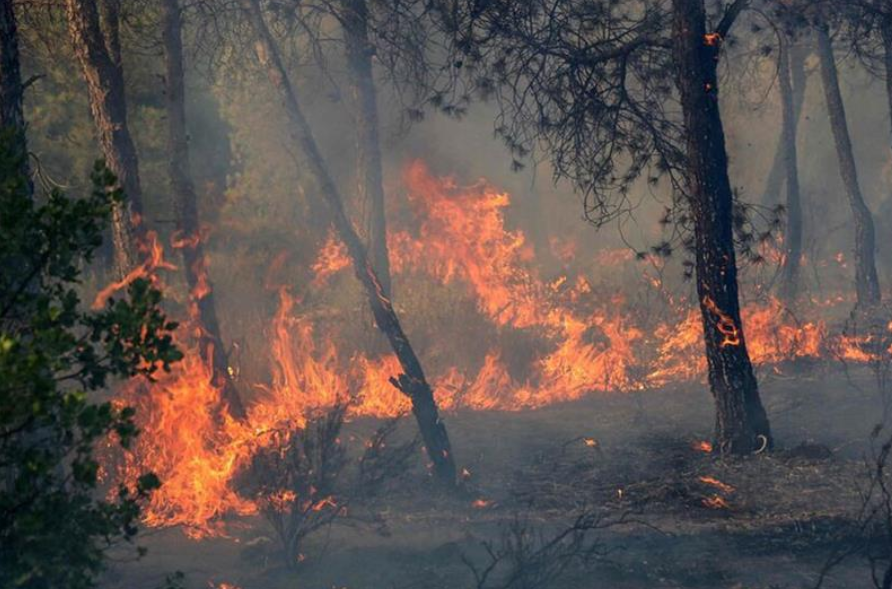
In Tunisia, Civil Protection units have responded to a significant number of wildfire incidents in recent days, particularly in the northern and northwestern regions, with the support of the armed forces, forest officers, and volunteers engaged in firefighting operations.
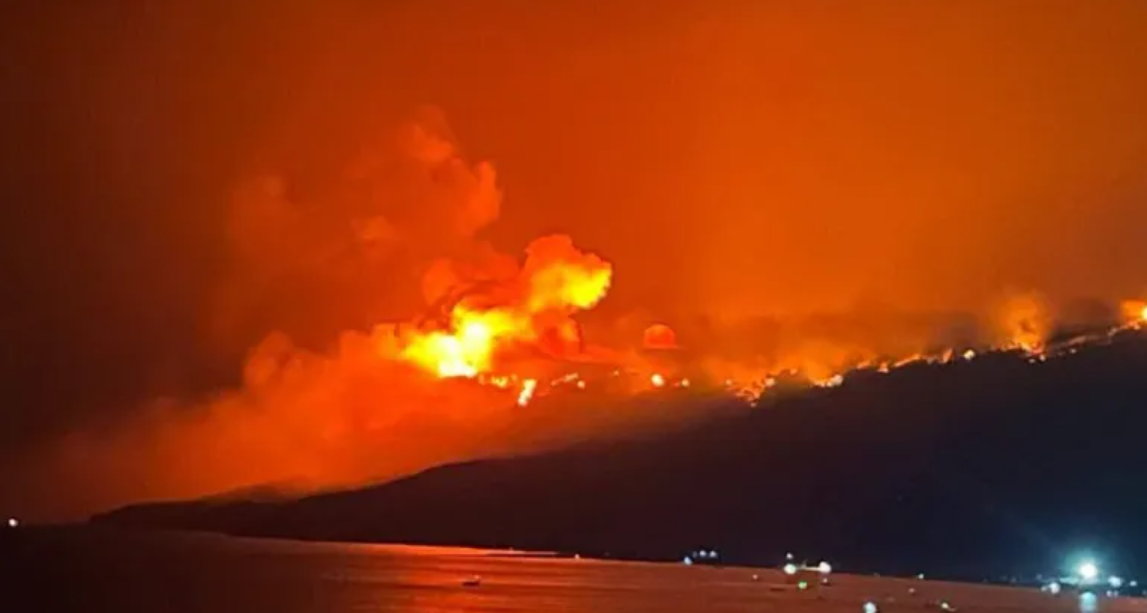
These wildfires are not an isolated event in the region’s recent history. Rather, they form part of an unbroken chain of climate-related disasters that our peoples have endured in recent years—from the devastating forest fires in northern Morocco, to the catastrophic floods in Derna, Libya, and the recurrent heatwaves and wildfires that have struck several countries across the region. What is unfolding today in Algeria and Tunisia could tomorrow extend to other countries in the region. Morocco, Egypt, and Libya are by no means immune to this trajectory, particularly as record-breaking temperatures this summer have swept across several Egyptian governorates, claiming the lives of citizens and workers exposed to extreme heat in their workplaces.
Even more alarming is that the consequences of this crisis will not be confined to drought and wildfires alone. The ongoing wars and armed conflicts across the region are leaving their own profound environmental footprint: destroying water and agricultural infrastructure, contaminating soils and groundwater resources, and undermining the capacity to sustainably manage natural resources in times of conflict. As climate change intersects with war, the cumulative impacts on our ecosystems and water resources are likely to unfold over years, by which time it may be too late to reverse the damage.
Although the peoples of our region have contributed only a negligible share of the historical greenhouse gas emissions driving global warming, they are paying an increasingly heavy price for a crisis created by a global economic model built on the relentless expansion of fossil fuel extraction, the overexploitation of natural resources, and patterns of production and consumption designed to maximize profits rather than respect the ecological limits of our planet. This model has driven greenhouse gas concentrations to unprecedented levels, increased global temperatures, and intensified the frequency and severity of extreme weather events, including the devastating wildfires we are witnessing today.
At the same time, the impacts of this crisis cannot be separated from the economic policies that have weakened our countries’ capacity to prevent and respond to disasters. Debt burdens, the austerity measures imposed in their wake, and declining public investment in forest protection, natural resource management, and essential public services have all heightened our societies’ vulnerability to climate-related disasters. As is so often the case, women, rural communities, and marginalized groups bear the heaviest burden of these impacts.
We are no longer approaching an environmental crisis—we are living through it. Climate and environmental justice are no longer matters of intellectual debate; they have become an urgent political imperative. Confronting these escalating disasters requires a just transition away from fossil fuels, the restoration of peoples’ sovereignty over their natural resources, and the construction of economies that place the protection of life, human dignity, and nature above the pursuit of profit.
On this basis, MENAFem renews its solidarity with the peoples of Algeria and Tunisia and calls for stronger regional cooperation and solidarity in confronting the growing climate crisis. We further call for states and corporations that bear the greatest historical responsibility for greenhouse gas emissions to meet their obligations by financing climate adaptation, addressing loss and damage, and supporting a just transition that guarantees dignity, justice, and equity for the peoples of the Global South.
Solidarity with the victims of today’s wildfires must become a shared struggle for climate and economic justice, so that these disasters do not become an accepted and recurring reality every summer across our region.